

News & Resources
Featured
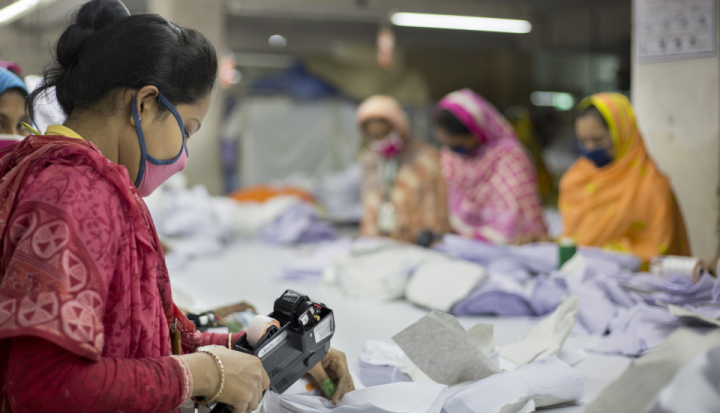
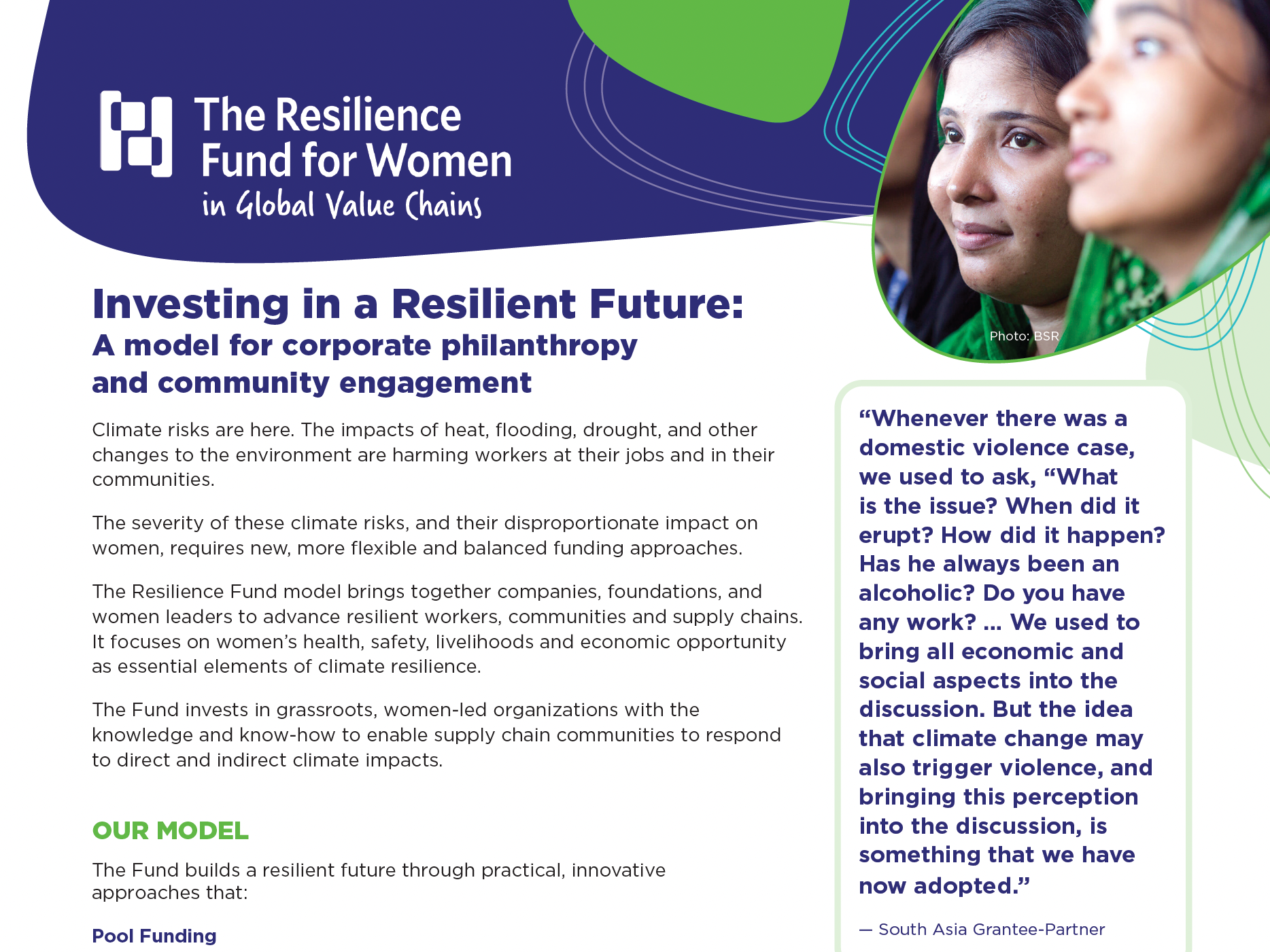
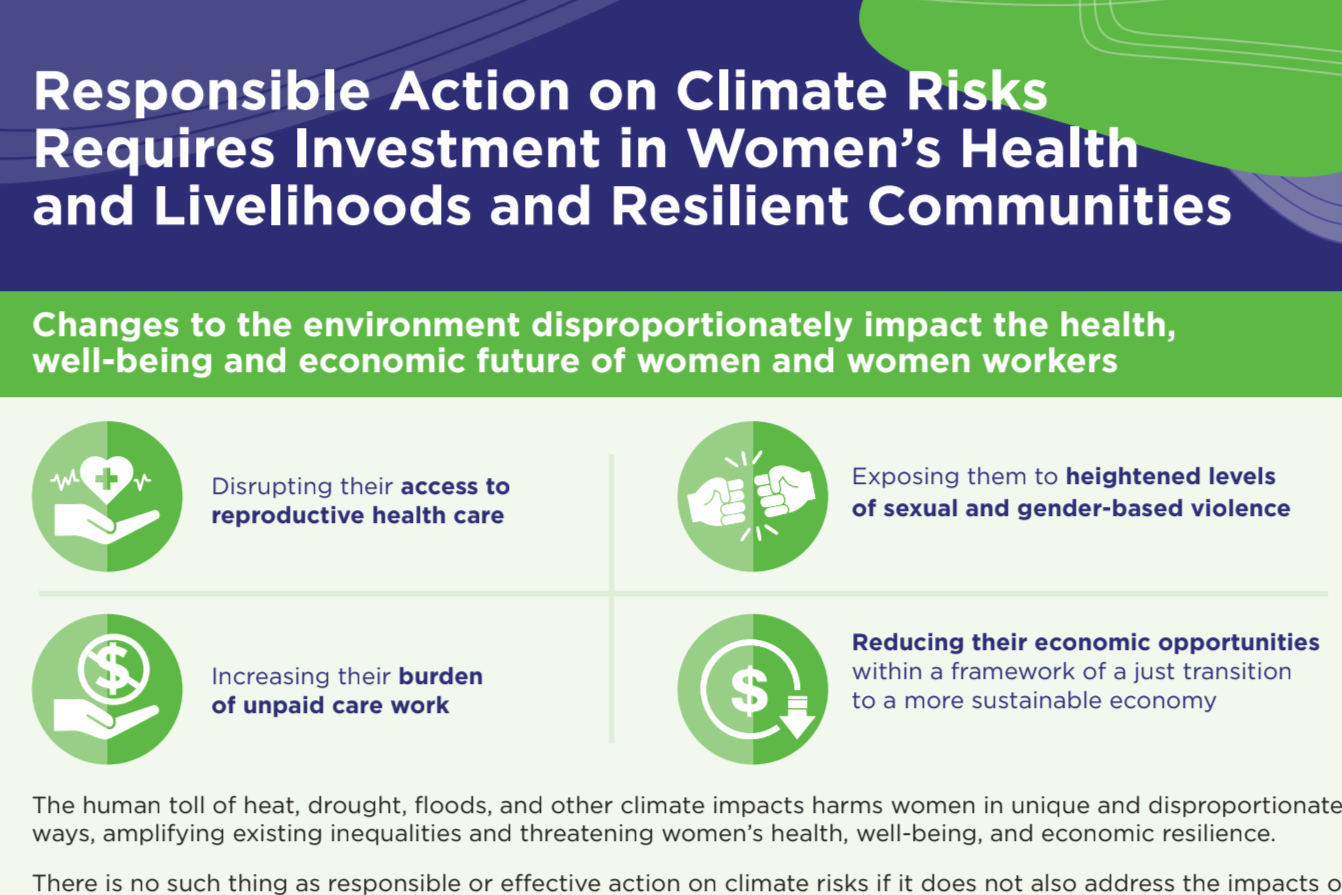
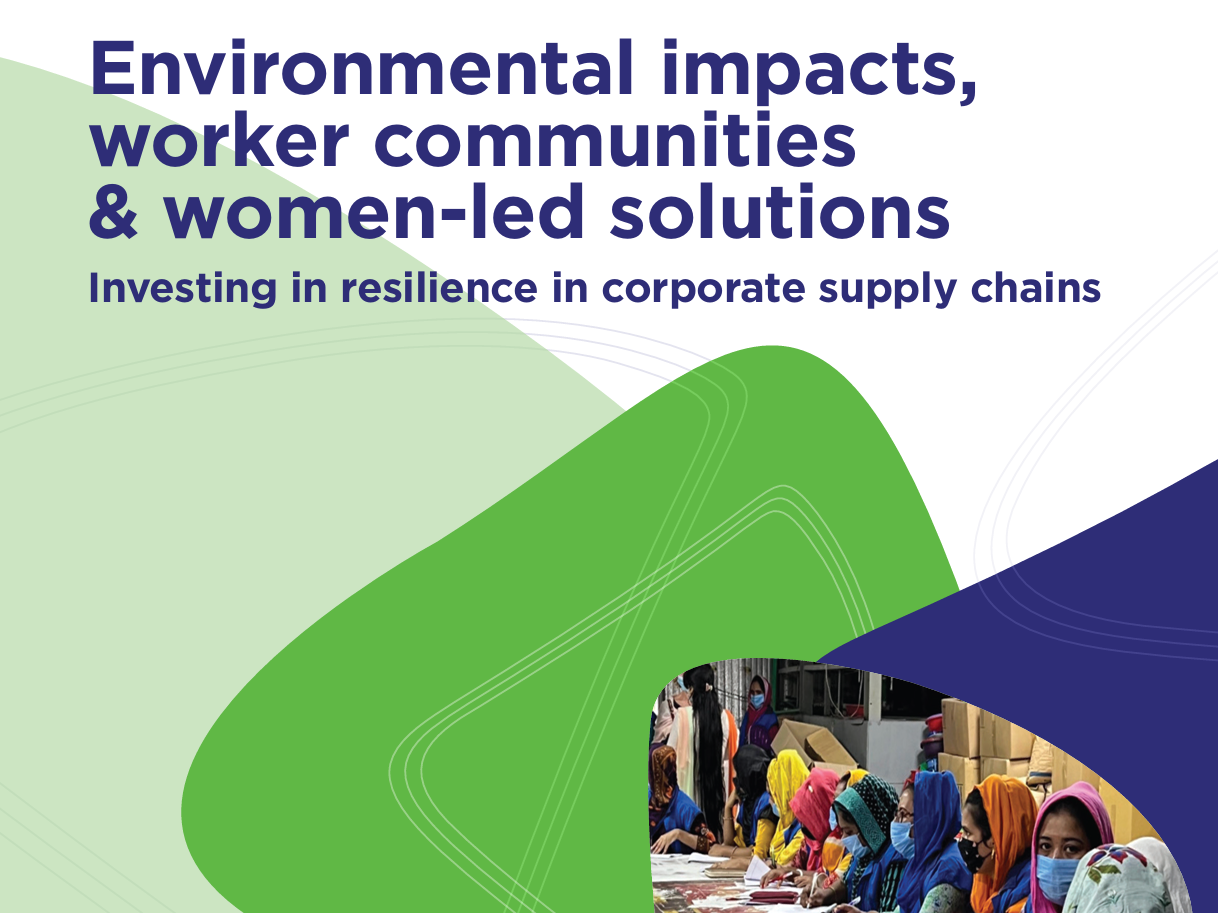

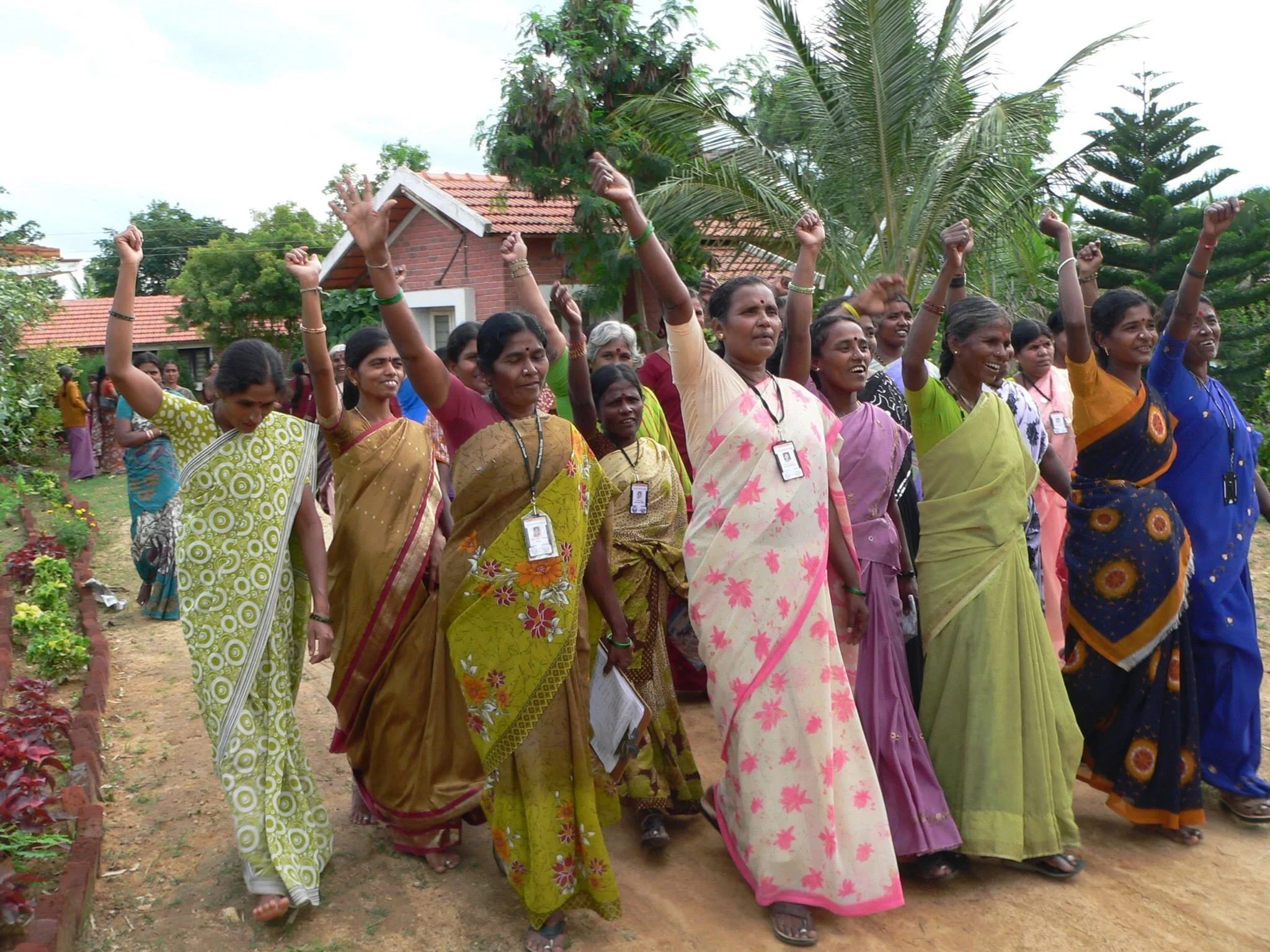
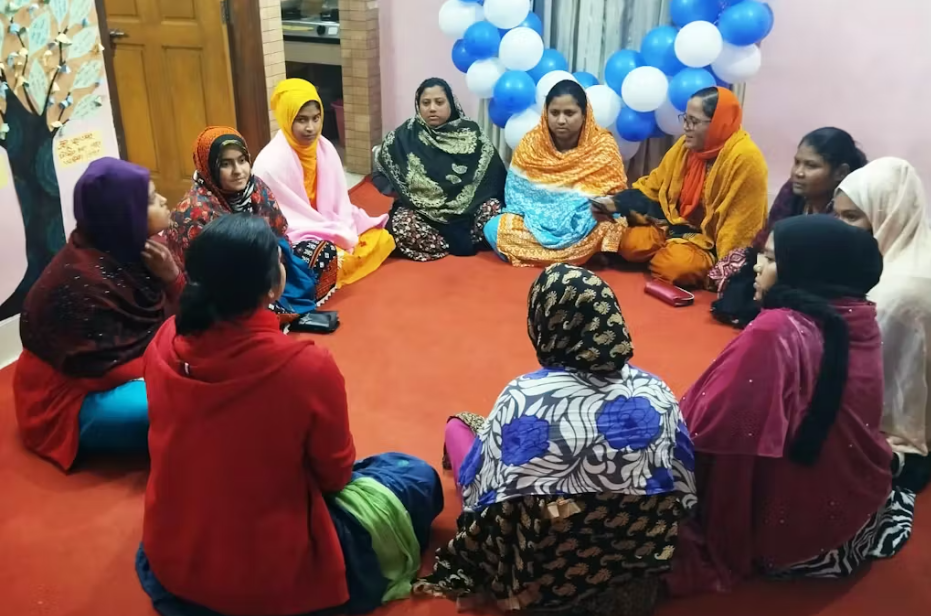



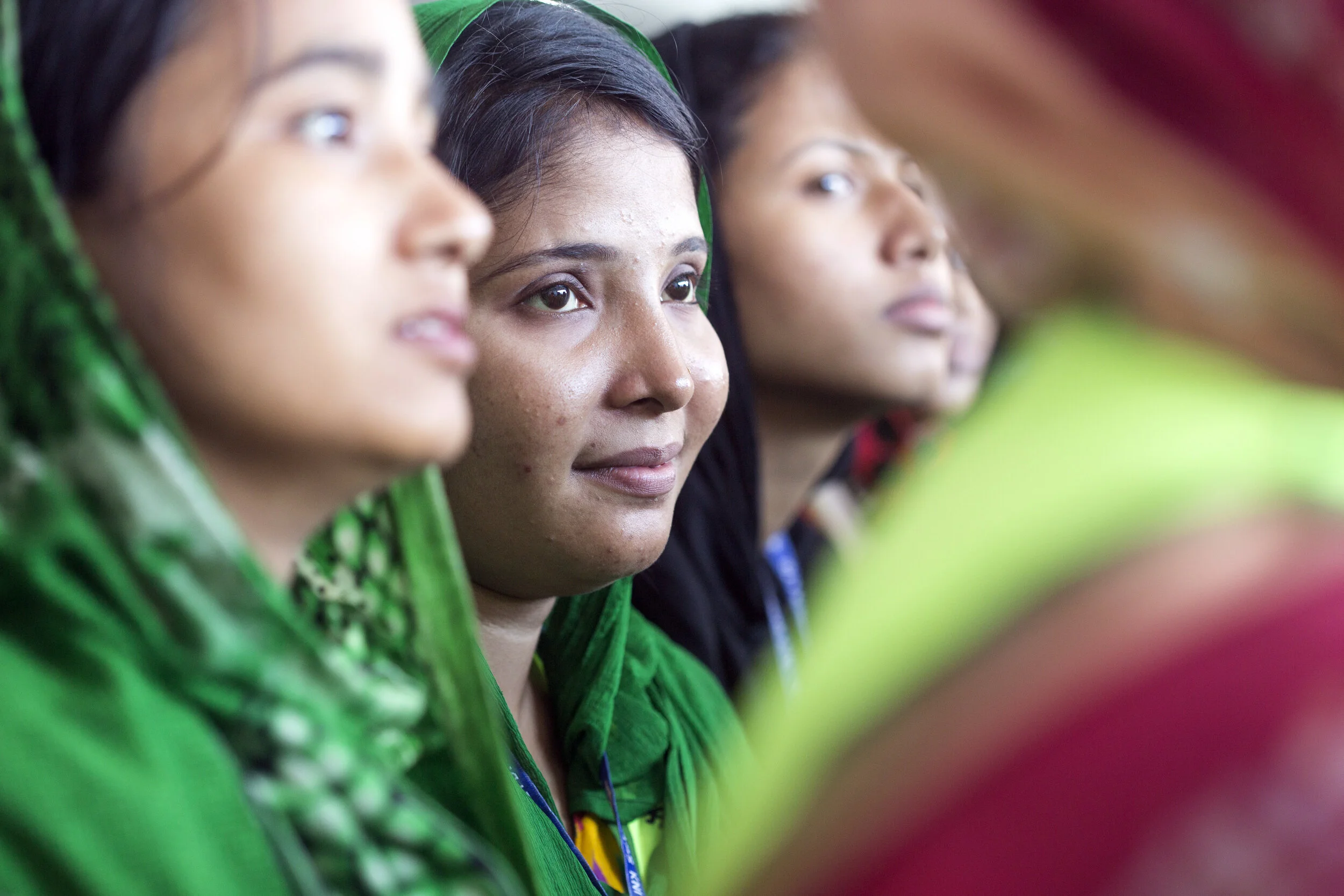
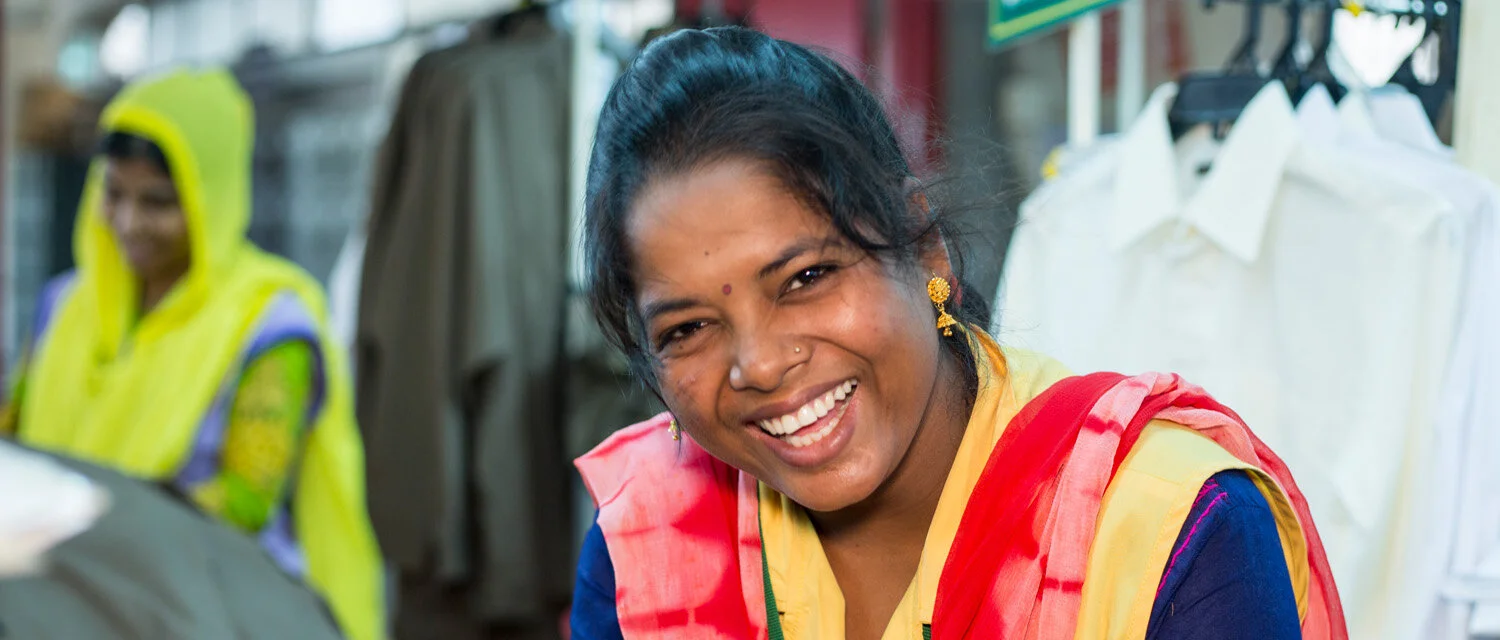
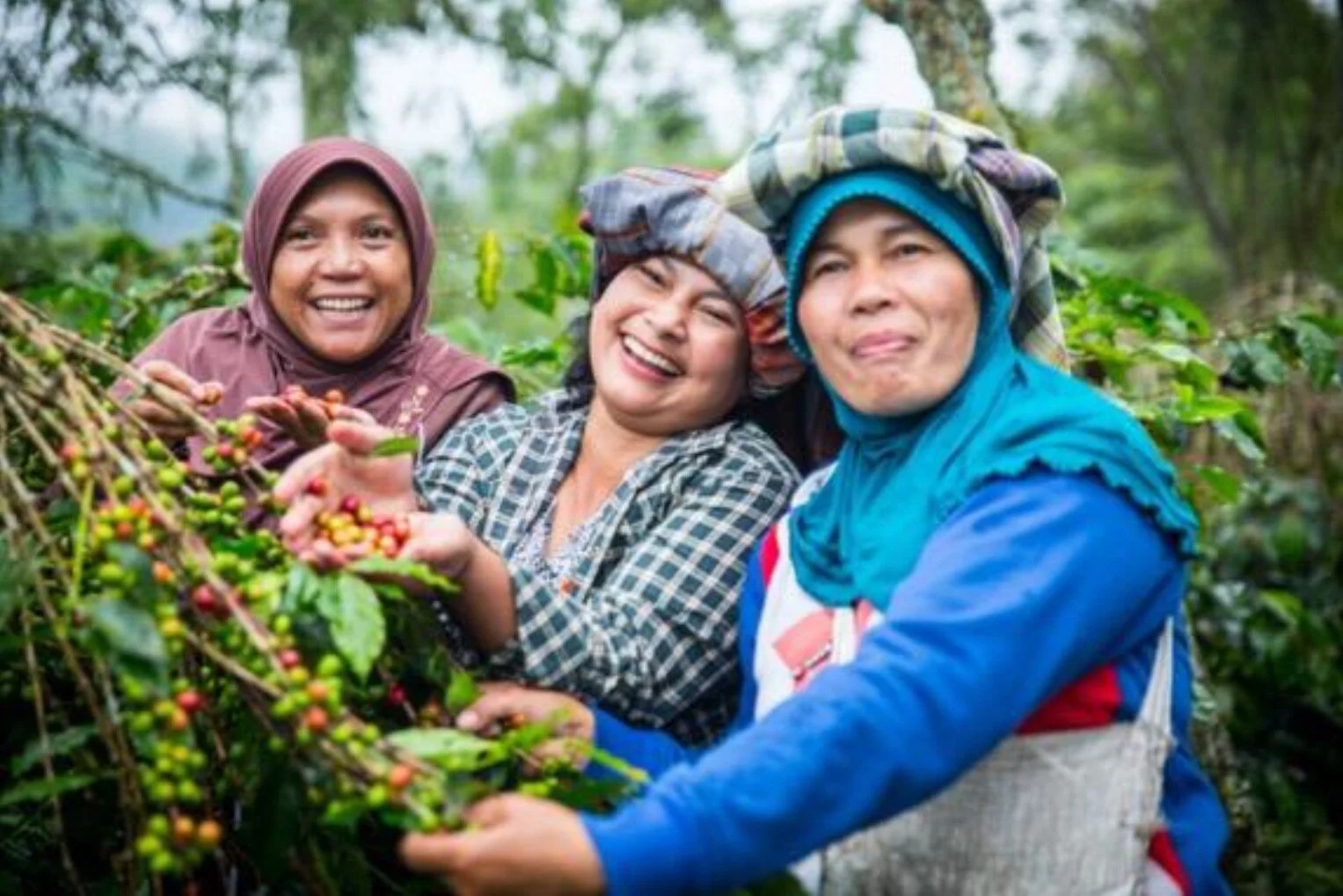
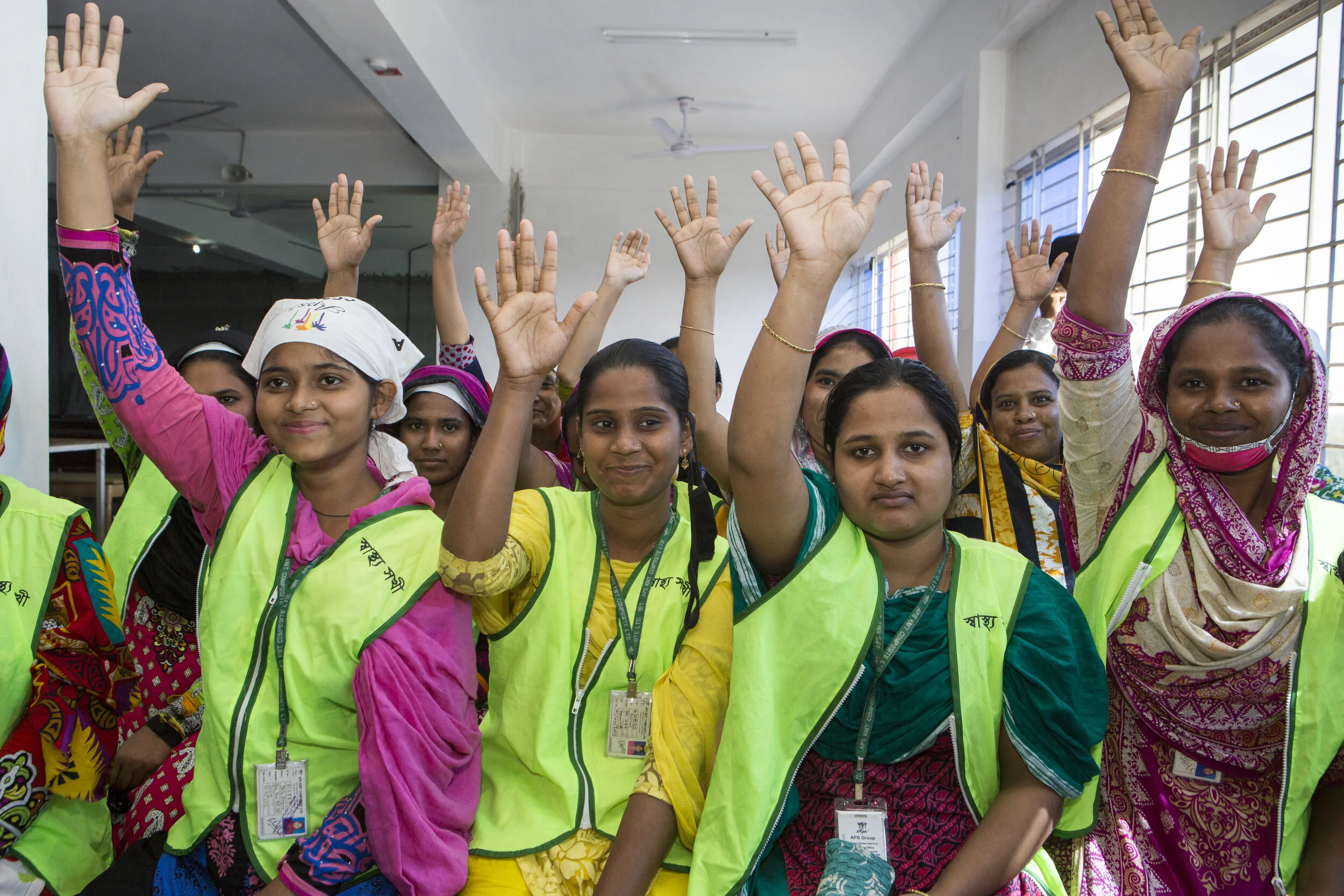
The human toll of climate impacts presents specific challenges for women workers and their communities, especially in climate-vulnerable countries. Climate action and investments must not only focus on mitigation but also address the unique impacts on women and the connection between workplace and community across issues like women’s health, violence, migration, forced labor, among others.
The Resilience Fund for Women is pioneering a new model of corporate philanthropy that strengthens communities at the heart of global supply chains. By pooling resources, de-risking investments, and providing flexible funding, the Fund enables women-led and grassroots organisations to lead climate resilience efforts in their own communities.
The Resilience Fund Climate Insights Report highlights how climate impacts like heat, floods, and droughts disproportionately harm women’s health, safety, and livelihoods in supply chain communities. It shows why investing in women-led organisations is essential for building resilience, justice, and sustainable supply chains.
The report explores how climate change disproportionately harms women workers in global supply chains, threatening their health, safety, and livelihoods while amplifying inequalities. It highlights the leadership of women-led organisations in building community resilience and calls for more flexible, pooled funding approaches to support just and sustainable climate action
This OECD side session features a model of safe spaces for multi-sectoral dialogue developed by the Resilience Fund for Women in Global Value Chains. It highlights why this model of multi-sectoral dialogue is crucial for any robust due diligence that is truly assessing human rights risks and adverse impacts in rapidly changing and dynamic contexts.
This article spotlights grantee partners of the Resilience Fund who are tackling violence and harassment in supply chain communities. From providing crisis support and legal aid to running media campaigns and shelter services, these organisations in Bangladesh, Cambodia, India, and Vietnam are advancing women’s health, safety, and resilience through flexible, community-led solutions
This report examines how climate risks like heat, floods, and droughts disproportionately affect women in supply chain communities, worsening health, safety, and economic inequalities. It highlights the leadership of women-led organisations in driving resilience and calls for more flexible, pooled funding to support just and sustainable climate solutions
From agriculture and apparel to health care and domestic work, girls and women are the backbone of major global industries that keep our world turning. Yet despite their outsized role in the economy and society, far too many girls and women lack equal rights or basic protections in the workplace. In response, the Resilience Fund for Women in Global Value Chains, co-founded and managed by the Universal Access Project (UAP), is reimagining corporate philanthropy by putting women leaders in charge.
Hear from the Resilience Fund community how we are bringing together companies, women’s funds, and grassroots organisations to build resilient supply chains. This video showcases the transformative power of cross-sector collaboration in addressing climate risks and enhancing women’s health, safety, and livelihoods.
Understand how trust-based, unrestricted funding enables women-led organisations to respond quickly to climate and social challenges. This video shows why flexible funding strengthens communities, reduces administrative burdens, and drives greater resilience across global supply chains.
Learn how extreme heat, floods, and droughts are reshaping supply chain communities and disproportionately harming women. This video highlights the urgency of investing in women-led organisations to strengthen health, safety, and resilience where climate impacts are most severe
Explore how the Resilience Fund centres women-led organisations and community voices in shaping solutions and learn about the importance of identity, lived experience, and local leadership in building resilient supply chains and advancing gender equality.
Companies and their suppliers can play a huge role to improve women’s health, either directly or partnering with government health services, according to David Wofford, senior director of private sector strategy and engagement for the Universal Access Project (UAP) at the U.N. Foundation. UAP promotes best practice and funds research both in agricultural and manufacturing supply chains.
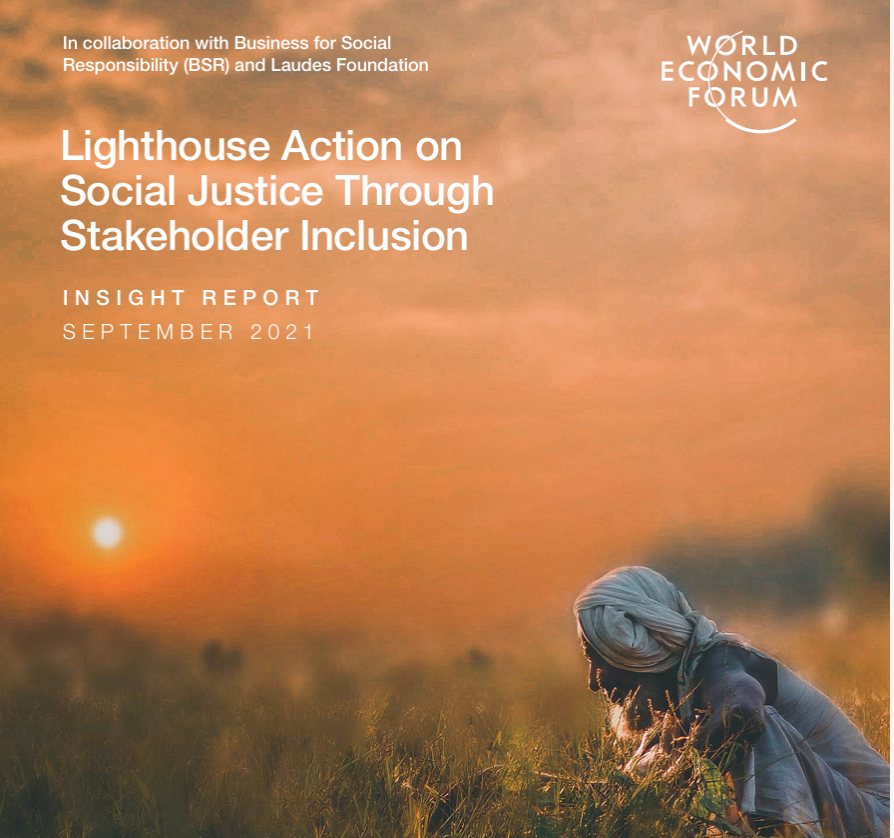
The World Economic Forum featured the Resilience Fund for Women in Global Value Chains in its Lighthouse Report on Social Justice through Stakeholder Inclusion, in collaboration with BSR and Laudes Foundation. The whitepaper includes the Resilience Fund as the first of nine “lighthouse” examples illustrating how business is partnering with workers, communities and civil society to accelerate action on equity and social justice.
The emerging post-pandemic world demands both reflection and imagination. Changemakers in the private sector should consider this a strategic moment to transform the way business engages with local communities in their global supply chains, and to advance new solutions to the pressing need for gender equality, health, and economic resilience.
An innovative funding model will lift up local solutions and build long-term resilience for women workers and communities.
Despite the urgent need to provide immediate relief to women harmed by the COVID-19 pandemic, we cannot ignore the roots of why women are more vulnerable in these crises.
As the Covid-19 pandemic continues to swell worldwide, so do its unique and disproportionate impacts on women. The truth is, hard-fought gains in gender equality are evaporating quickly as the world we left behind gives way to a reality that is fundamentally different. As nonprofit leaders, we must adapt our response and approach to advancing women's health, rights, safety and equality to reflect this new reality.
The pandemic was a stark reminder of the vagaries of supply and demand, and the workers that keep the engines humming. Why wasn’t personal protective gear arriving at our doors? What was holding up the hardware to help kids learn from home? And why was food insecurity blooming in even high-income countries?
One answer was global supply chains. Even small disruptions had the power to stop progress in its tracks. Production lines became front lines, providing essential food, clothing and technology while pressuring an already marginalized workforce.